
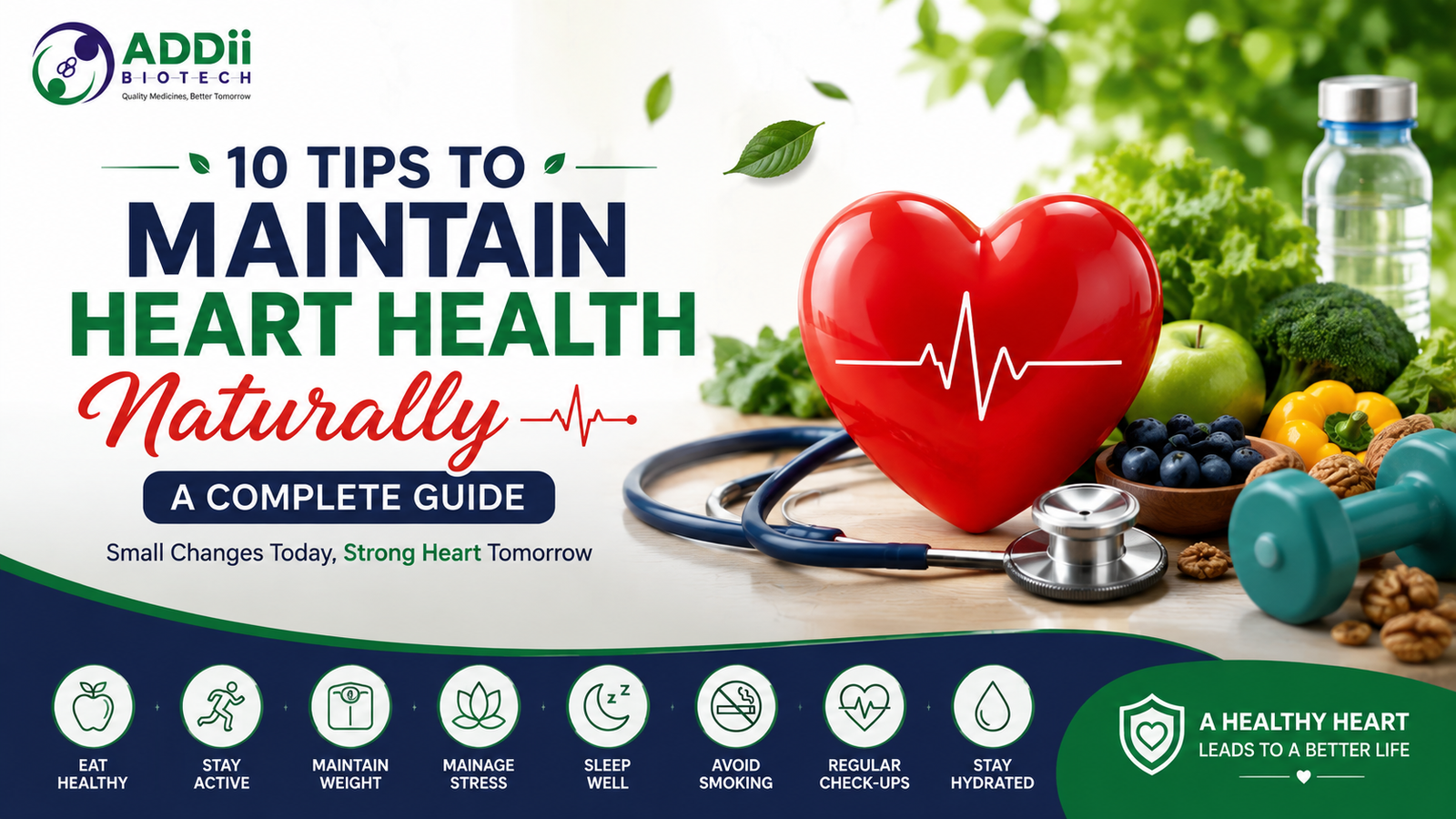
Your heart is one of the hardest-working organs in your body. It beats continuously, pumping oxygen-rich blood to every organ and tissue. Keeping your heart healthy is essential for living a long, active, and healthy life.
Heart disease remains one of the leading causes of health problems worldwide. However, many heart-related conditions can be prevented through healthy lifestyle choices, balanced nutrition, regular physical activity, and routine medical check-ups.
Whether you are looking to improve your cardiovascular health or simply want to maintain a healthy lifestyle, following a few simple habits can make a significant difference.
In this guide, we’ll explore practical tips to maintain heart health naturally and understand how daily lifestyle choices contribute to long-term cardiovascular wellness.
Why is Heart Health Important?
Your heart supplies oxygen and nutrients throughout your body. A healthy heart supports every organ, helps maintain energy levels, and allows you to perform everyday activities efficiently.
Poor heart health may increase the risk of conditions such as:
- High blood pressure
- High cholesterol
- Heart disease
- Stroke
- Heart failure
Fortunately, many risk factors can be managed through healthy habits.
1. Follow a Heart-Healthy Diet
A balanced diet plays a major role in maintaining heart health.
Include foods such as:
- Fresh fruits
- Green leafy vegetables
- Whole grains
- Nuts and seeds
- Beans and legumes
- Low-fat dairy products
- Healthy fats
- Fatty fish rich in Omega-3 fatty acids
Limit foods that are high in:
- Saturated fat
- Trans fat
- Excess sugar
- Salt
- Processed foods
Eating nutritious meals regularly supports healthy cholesterol levels and overall cardiovascular wellness.
2. Stay Physically Active
Regular physical activity strengthens the heart muscle and improves blood circulation.
Aim for at least:
- 150 minutes of moderate exercise each week
Activities may include:
- Walking
- Cycling
- Swimming
- Jogging
- Yoga
- Dancing
Exercise also helps maintain healthy body weight and supports overall fitness.
3. Maintain a Healthy Weight
Being overweight may increase strain on the heart.
Healthy weight management helps reduce the risk of:
- High blood pressure
- Type 2 diabetes
- High cholesterol
- Cardiovascular diseases
Combining regular exercise with a nutritious diet is one of the most effective ways to maintain a healthy weight.
4. Monitor Blood Pressure Regularly
High blood pressure often develops without noticeable symptoms.
Routine monitoring helps detect changes early.
Adults should have their blood pressure checked periodically, especially if they have risk factors such as obesity, diabetes, or a family history of heart disease.
5. Manage Cholesterol Levels
Cholesterol plays an important role in the body, but excessive LDL (“bad”) cholesterol may contribute to plaque buildup in arteries.
To support healthy cholesterol levels:
- Eat fiber-rich foods
- Reduce fried foods
- Choose healthy fats
- Exercise regularly
- Follow your doctor’s recommendations
6. Quit Smoking and Avoid Tobacco
Smoking damages blood vessels and reduces oxygen supply throughout the body.
Quitting smoking offers significant benefits for heart and lung health.
Avoid exposure to tobacco smoke whenever possible.
7. Manage Stress Effectively
Long-term stress may negatively affect heart health.
Healthy ways to reduce stress include:
- Meditation
- Deep breathing
- Yoga
- Reading
- Spending time with family
- Outdoor activities
- Listening to music
Managing stress contributes to emotional and cardiovascular well-being.
8. Get Quality Sleep
Sleep allows your body to recover and supports healthy heart function.
Most adults should aim for approximately 7–9 hours of quality sleep each night.
Poor sleep may affect:
- Blood pressure
- Weight management
- Hormonal balance
- Overall cardiovascular health
Maintaining a regular sleep schedule can improve overall wellness.
9. Stay Hydrated
Water supports circulation and helps maintain normal body functions.
Drink adequate water throughout the day, especially during hot weather or physical activity.
Proper hydration supports overall health, including cardiovascular function.
10. Schedule Regular Health Check-ups
Routine medical examinations help identify potential health concerns early.
Your healthcare provider may recommend checking:
- Blood pressure
- Blood sugar
- Cholesterol
- Body weight
- Heart health indicators
Preventive healthcare plays an important role in maintaining long-term heart health.
Nutrients That Support Heart Health
Several nutrients contribute to normal cardiovascular function as part of a balanced diet.
These include:
- Omega-3 Fatty Acids
- Vitamin D
- Magnesium
- Potassium
- Vitamin B Complex
- Antioxidants
- Coenzyme Q10
Always consult your healthcare provider before starting any nutritional supplement.
Foods That Support Heart Health
Consider including:
- Oats
- Almonds
- Walnuts
- Avocados
- Berries
- Tomatoes
- Broccoli
- Spinach
- Olive oil
- Salmon
These foods provide nutrients that support overall cardiovascular wellness.
Habits That Can Harm Heart Health
Avoid the following lifestyle habits:
- Smoking
- Excess alcohol consumption
- Lack of exercise
- Excessive sugar intake
- High salt consumption
- Chronic stress
- Poor sleep
- Sedentary lifestyle
Replacing unhealthy habits with positive lifestyle choices helps maintain long-term heart health.
When Should You Consult a Doctor?
Seek medical attention if you experience symptoms such as:
- Chest pain
- Shortness of breath
- Irregular heartbeat
- Persistent fatigue
- Swelling in the legs
- Dizziness
Early medical evaluation can help identify underlying conditions.
Frequently Asked Questions
How can I maintain heart health naturally?
Follow a balanced diet, exercise regularly, avoid smoking, manage stress, get enough sleep, and schedule regular health check-ups.
Which foods are best for heart health?
Fresh fruits, vegetables, whole grains, nuts, seeds, and foods rich in Omega-3 fatty acids are commonly included in heart-healthy eating patterns.
Does exercise improve heart health?
Yes. Regular physical activity helps strengthen the heart and supports healthy circulation.
How much sleep is important for heart health?
Most adults benefit from 7–9 hours of quality sleep each night.
Can stress affect the heart?
Long-term stress may influence overall cardiovascular health, making stress management an important part of a healthy lifestyle.
Why Choose Addii Biotech?
At Addii Biotech, we are committed to promoting better healthcare through quality pharmaceutical and nutraceutical products manufactured under stringent quality standards. Along with delivering reliable healthcare solutions, we believe that health education empowers individuals to make informed decisions for a healthier future.
Medical Disclaimer
This article is intended for educational and informational purposes only. It should not be considered medical advice or a substitute for professional diagnosis or treatment. Always consult a qualified healthcare professional for personalized medical guidance regarding heart health or any medical condition.
Conclusion
Maintaining heart health requires consistent lifestyle choices rather than drastic changes. Eating a balanced diet, staying physically active, maintaining a healthy weight, managing stress, sleeping well, and attending regular medical check-ups can significantly contribute to long-term cardiovascular wellness.
Small, positive daily habits can make a lasting difference. By taking proactive steps today, you can support your heart and improve your overall quality of life for years to come.